
How it compares
How does XENOPHON compare?
Red light pads, Class IV lasers at the clinic, PEMF, electrotherapy: there is a lot of equipment aimed at your horse. Here is what each one is, how it works, and where a handheld laser you run yourself fits in.
- No heat
- No touch
- No eyewear
- 3 to 4 minutes
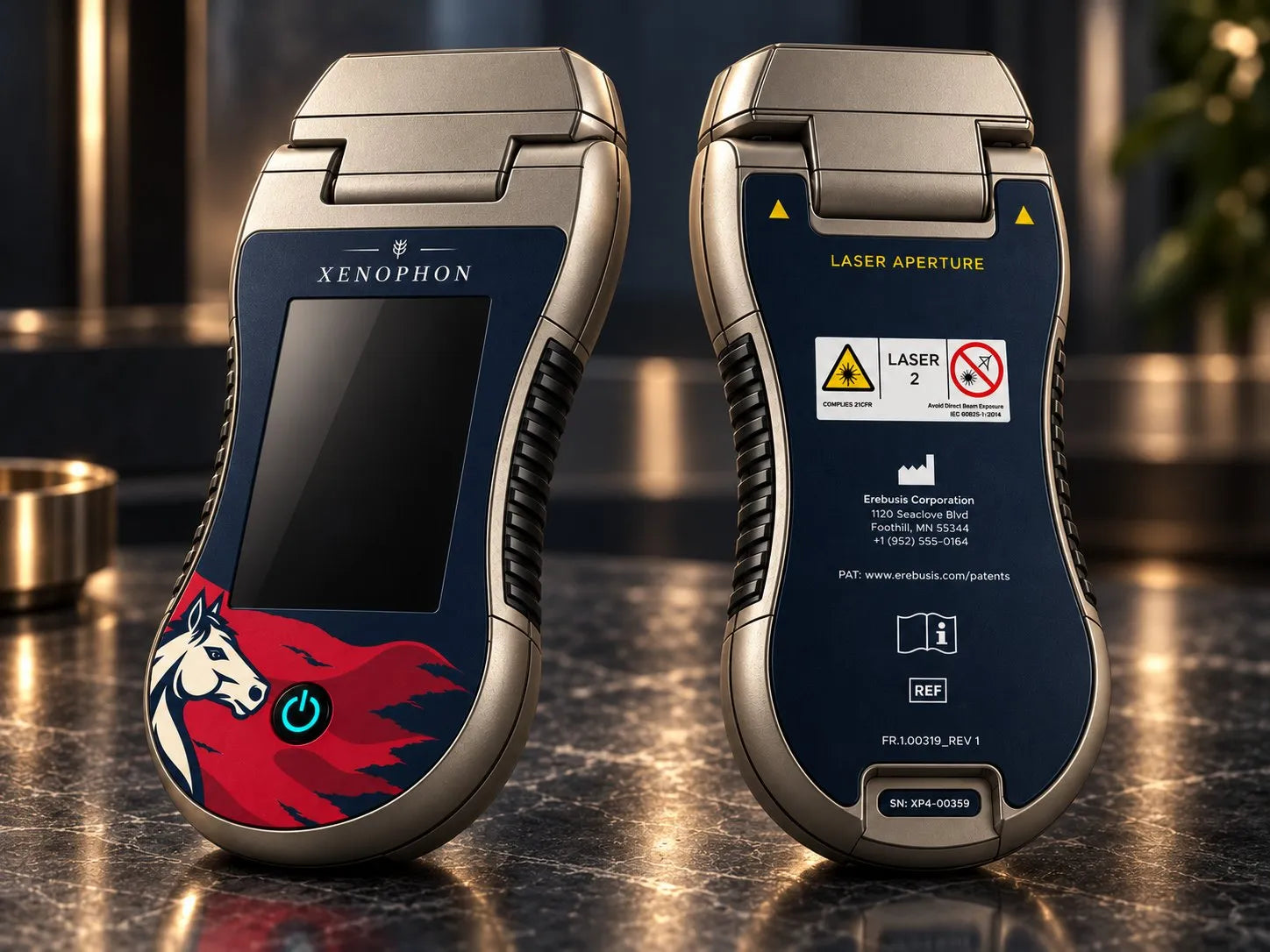
Laser vs LED vs Class IV
Not all light is created equal.
You see red light therapy everywhere. But in Erchonia’s double-blind, placebo-controlled trials, the LED is the placebo, and the laser beat it every time. Now that laser technology is built for your horse.
Coherent light. One focused wavelength.
One wavelength, every wave in step, in a beam that stays on target.
Incoherent light. A broad, scattered glow.
Same red color, but the waves are out of step and the light spreads in every direction.
Share of subjects meeting study success criteria in Erchonia double-blind, placebo-controlled human clinical trials (FDA 510(k) K130741, K180197, K190572). Human study data; results in horses are not implied.
| LED panels and wrapsRed light · incoherent | XENOPHONClass II laser · coherent · photochemical | The laser at the clinicClass IV · photothermal | |
|---|---|---|---|
| The light | Incoherent: a mix of wavelengths, waves out of step, spreading in every direction | Coherent: one wavelength, every wave in step, in a beam that stays on target | Focused, high-powered light |
| How it works | Scattered light | Photochemical: the cells absorb the light and respond to it. No heat. | Photothermal: the light heats the tissue. The heat is the effect. |
| On the horse | Wraps and pads that strap on | Held 3 to 6 inches away. It never has to touch. | Run by an operator |
| Who runs it | You | You | A trained operator, by appointment |
| Eyewear | Varies | None needed | Protective eyewear required |
Photothermal and photochemical, in plain words: a photothermal laser works like sunlight through a magnifying glass. It concentrates enough power to warm the tissue, which is why it needs a trained hand. A photochemical laser works like sunlight on a leaf. The cells absorb the light and respond to it, and nothing heats up. XENOPHON is photochemical.
The science
Three kinds of light, one at a time.
They can all look red. What differs is how the light is made, how much power is behind it, and what it does when it reaches the tissue. The target is the same in each case: an enzyme in the energy chain of every cell that absorbs red light. What changes is the light that arrives.
Incoherent: mixed wavelengths, out of step, spreading.
Red light pads, wraps and boots
What it is
Light-emitting diodes produce incoherent light: a band of wavelengths, with the waves out of step, leaving each diode in a wide cone.
How it acts on tissue
Incoherent light spreads and thins out as it travels, so what reaches the tissue is a scattered mix. That is why LED products are built to sit against the horse.
In the barn
Easy to strap on and leave. In Erchonia’s double-blind, placebo-controlled trials, the LED was the placebo.
Photothermal: high power, and the tissue warms.
The laser at the clinic
What it is
The highest laser class: more than half a watt of output. Most lasers used in equine practice are Class IV.
How it acts on tissue
Photothermal. There is enough power to warm the tissue, and the warmth is the effect. In human medicine the FDA clears Class IV therapy lasers as therapeutic heating devices, for temporary relief of minor muscle and joint pain. The heat is also why it takes a trained operator and protective eyewear.
In the barn
Run by your vet or a trained therapist, by appointment, and paid for by the session.
Coherent: one wavelength, every wave in step.
The laser you run yourself
What it is
A low-level laser produces coherent light: one wavelength, 635 nanometres, with every wave in step, in a line of light that holds together as it travels.
How it acts on tissue
Photochemical. The light arrives as one exact wavelength, in step. The cells absorb it and respond to it, like sunlight on a leaf. Nothing heats up.
In the barn
You hold it 3 to 6 inches away and run a 3 to 4 minute preset program. No heat, no touch, no eyewear, as often as you like.
Class IV clearances: FDA product code ILY, “Lamp, Infrared, Therapeutic Heating” (21 CFR 890.5500). Erchonia’s trials and all FDA clearances cited here are for human-use devices; results in horses are not implied.
Rather see it on your own horse?
Use XENOPHON for 30 days. If it isn’t for you, call for a return authorization and send it back. Not ready yet? The Stall-Side Guide shows every step of all three programs.
Case study · Wyley · tissue healing
Wyley’s leg, before and after.
A copperhead bite on the leg of Stephanie Lassiter’s horse Wyley. The two photos on the left show the open wound and are graphic, so they stay blurred until you tap them.
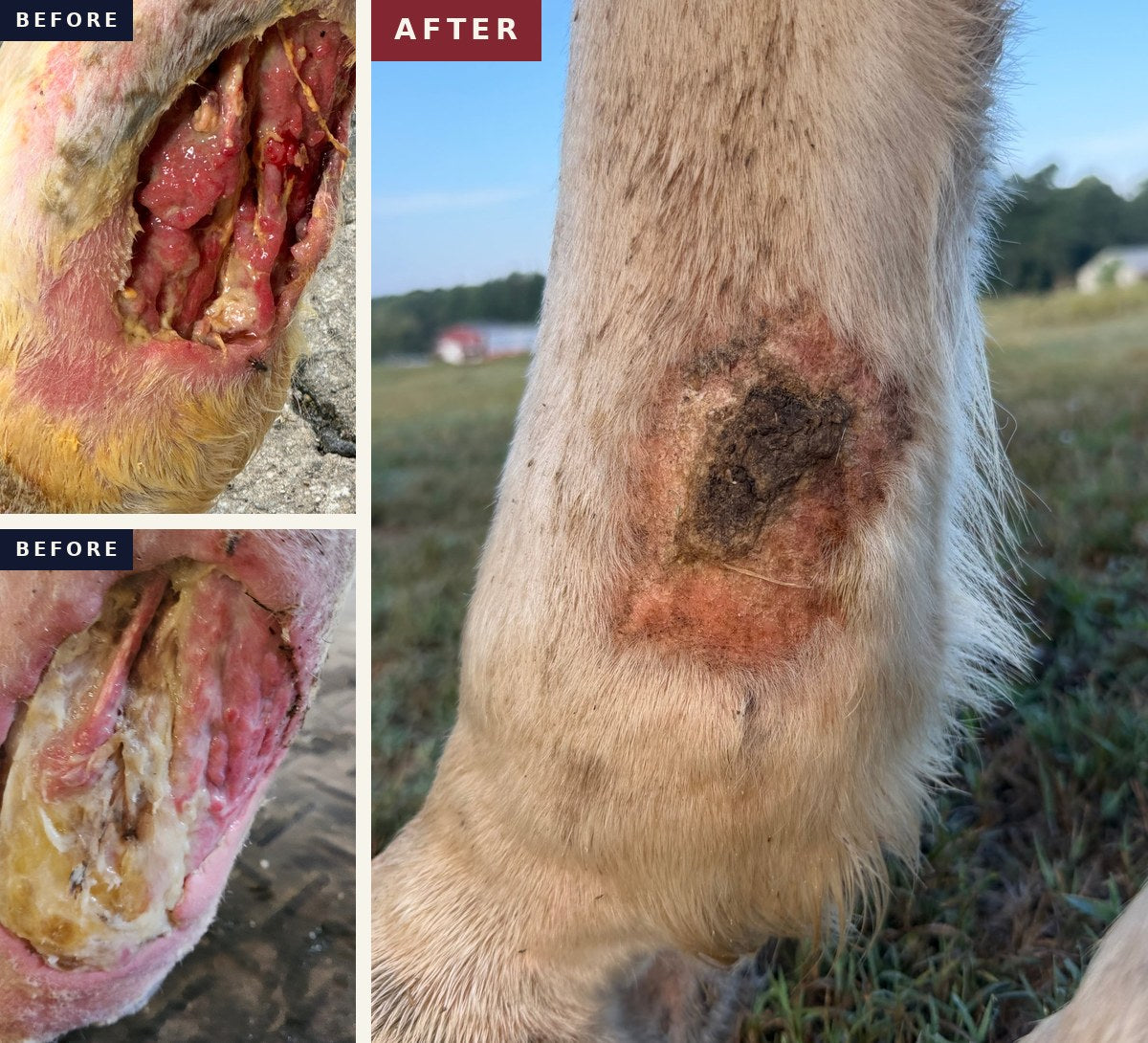
Individual results vary. XENOPHON is not a substitute for veterinary care; consult your veterinarian for any wound, lameness or digestive concern.
Case study · documented wound
One wound, followed for nine weeks.
One wound case treated by a veterinarian with Erchonia laser therapy. These images are graphic.
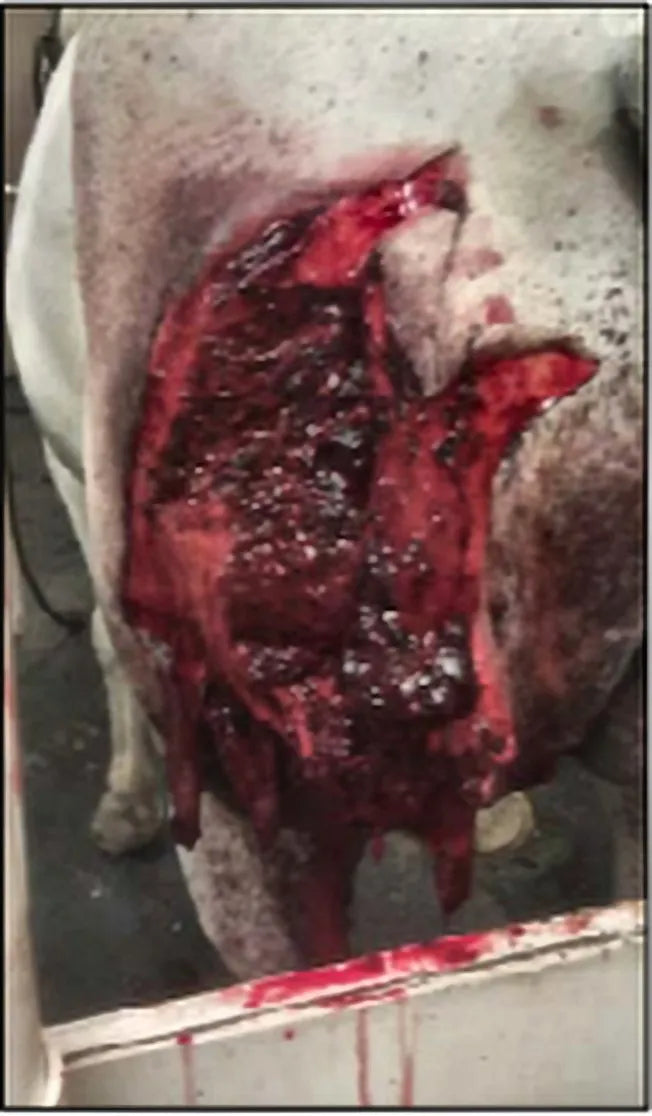
Day 1
Wound on presentation, from rear
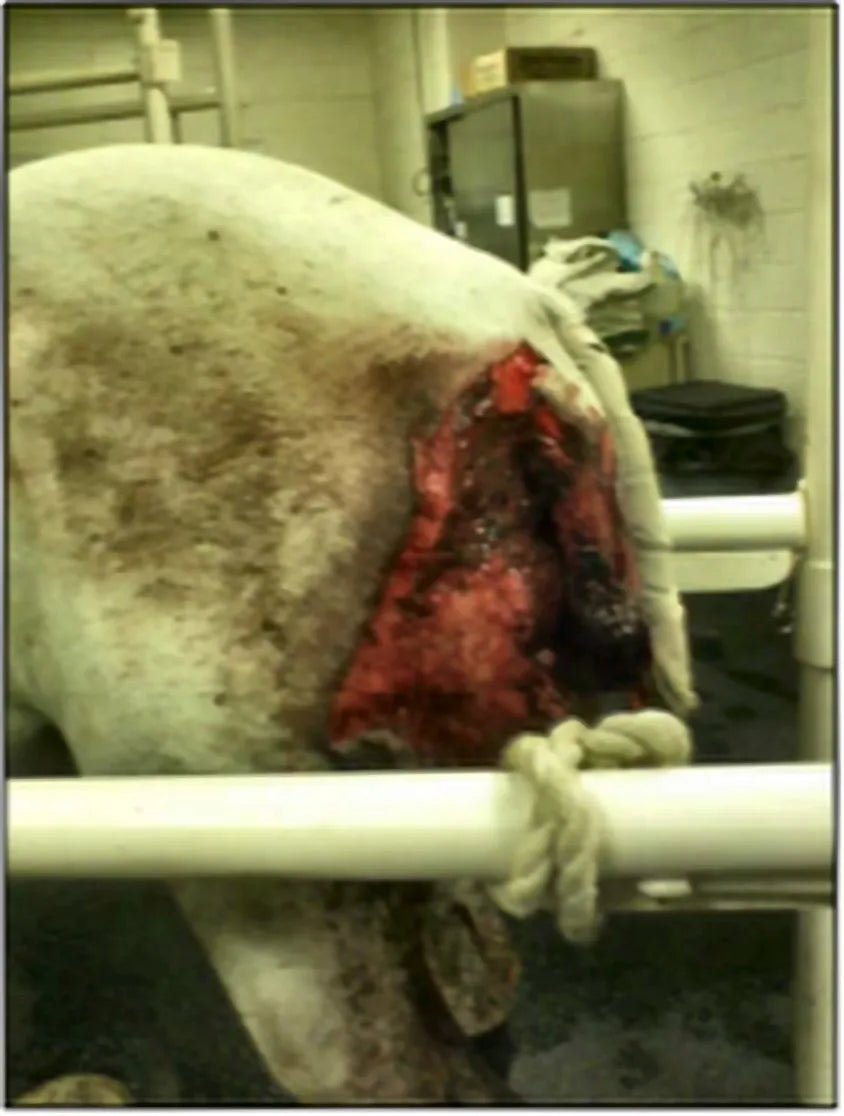
Day 1
Wound on presentation, from side
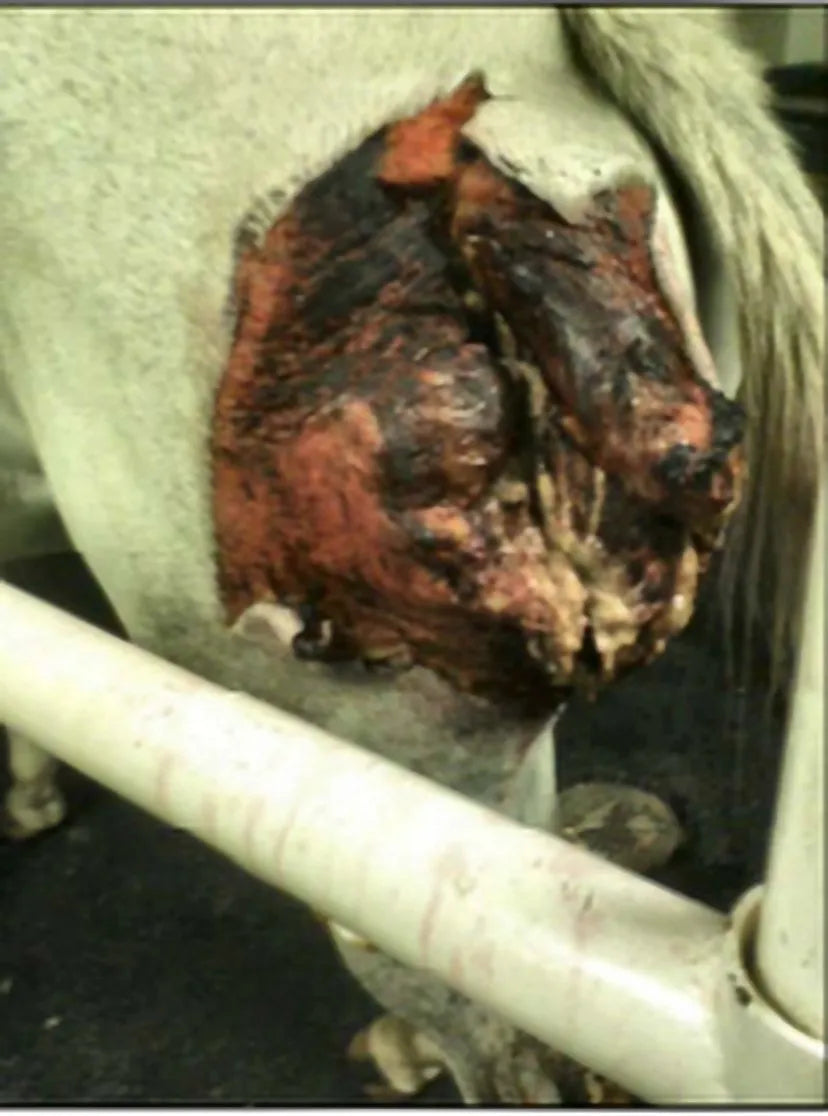
Week 1
After one week of laser treatment
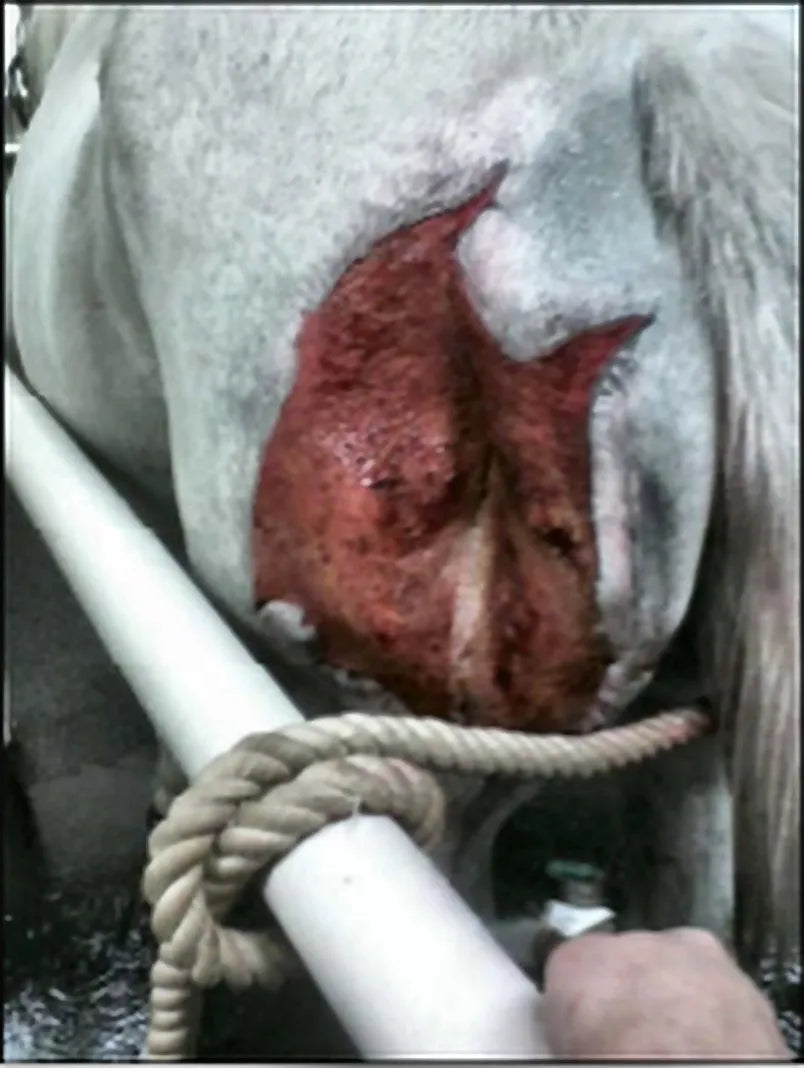
Week 3
After three weeks of laser treatment
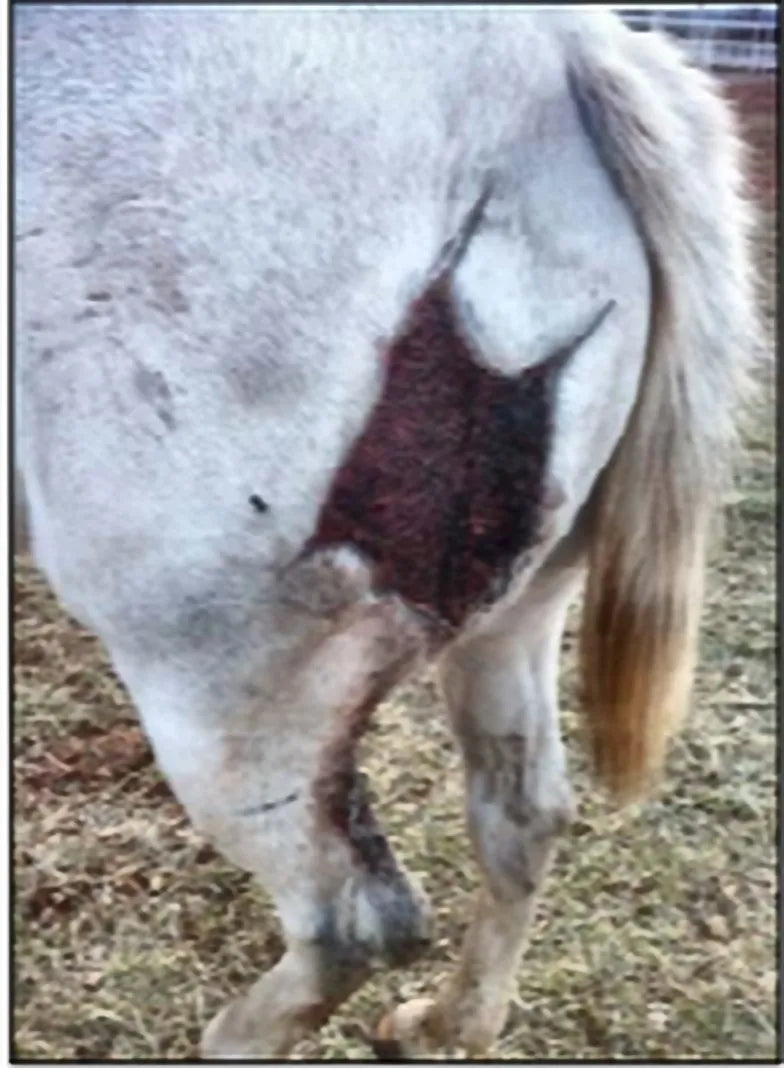
Week 6
Treatment ended after week 5
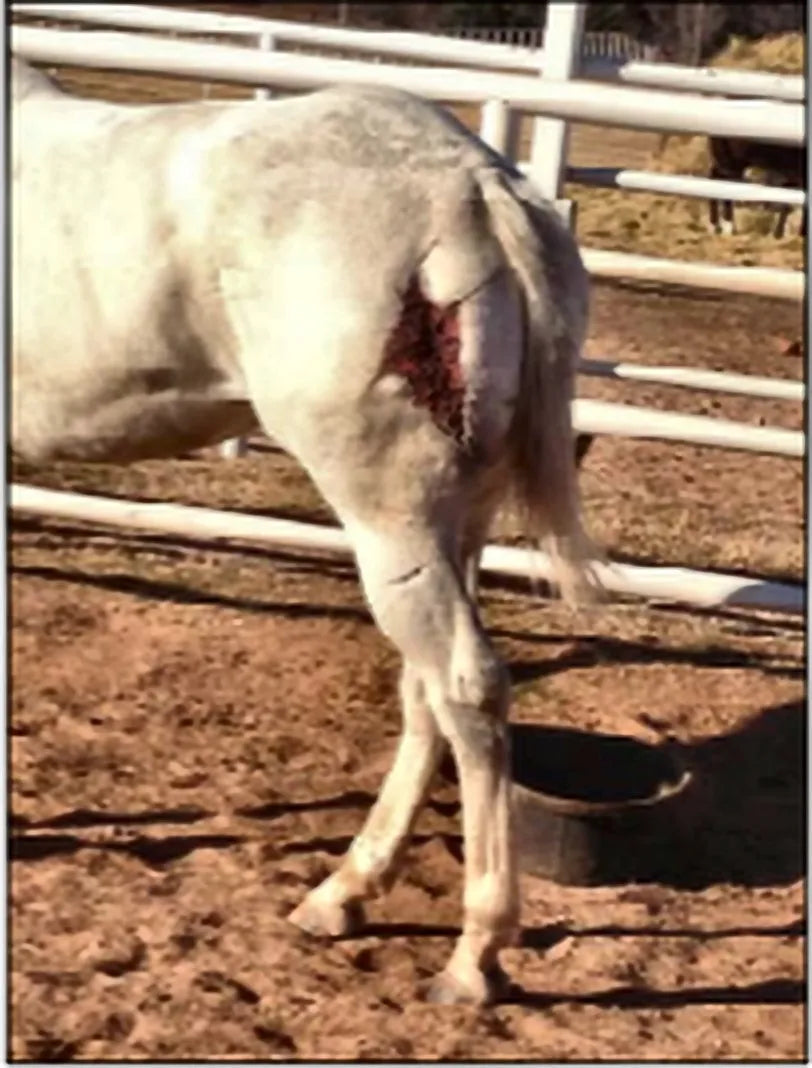
Week 9
Treatment ended after week 5
Individual results vary. XENOPHON is not a substitute for veterinary care; consult your veterinarian for any wound, lameness or digestive concern.
Works well with
One more tool in a good barn, not a replacement for the rest.
XENOPHON adds one thing to your horse’s routine: light. No current, no magnetic field, no pressure and no heat. Because it works a different way from everything below, it pairs with them instead of repeating them.
Magnetic field
PEMF
PEMF works with pulsed electromagnetic fields, delivered through a mat, blanket or loop. XENOPHON works with light. Two different kinds of energy reach the body in two different ways, so one does not repeat the other. Pair a PEMF session with a 3 to 4 minute XENOPHON program and you are covering both.
+ XENOPHONElectrical current
Electrotherapy
TENS, FES and microcurrent work with electrical current through pads on the skin. XENOPHON works with light and never touches the horse. Different energy, different job, so the two pair well: run a XENOPHON program before or after the pads go on.
+ XENOPHONTherapeutic heat
Your vet’s Class IV laser
A Class IV laser brings heat, and heat has its place: temporary relief when your vet calls for it. XENOPHON does a different job with no heat at all, a photochemical program you can run every day. Use the clinic’s laser for what heat does, then XENOPHON for the daily work.
+ XENOPHONHands-on
Bodywork, chiropractic and acupuncture
Good hands-on work happens on the practitioner’s calendar. XENOPHON is the part of the routine that is on yours: a preset program you can run daily between visits.
+ XENOPHONTack room staples
Ice boots, wraps and liniment
Cold therapy, standing wraps and liniment are already part of how you look after legs. XENOPHON sits alongside them and adds nothing that has to be rinsed off, wrapped or timed.
+ XENOPHONThe team
Your veterinarian and farrier
Any wound, lameness or digestive concern starts with your vet. XENOPHON fits around the plan your vet and farrier set, on the days they are not in the barn.
+ XENOPHONPractitioners and barns
Do you work on horses for a living?
Bodyworkers, PEMF practitioners, trainers, rescues and veterinary practices: XENOPHON works alongside what you already offer. Ask about practitioner and barn partnerships. Call 334-797-3980.
FAQ
Comparison questions, answered.
How is this different from the laser my vet or bodyworker uses?
Most lasers used in equine practice are Class IV, and they are photothermal: high-powered light that works by heating the tissue, like sunlight through a magnifying glass. That heat is why they need a trained operator and protective eyewear. XENOPHON is a Class II laser, and it is photochemical: the cells absorb the light and respond to it, like sunlight on a leaf, and nothing heats up. There is nothing to burn and no eyewear needed. That is what lets you use it yourself, in your own barn, every day.
Does it use heat?
No. XENOPHON is a non-thermal laser: no heat, no sedation and no downtime. Each protocol runs 3 to 4 minutes and the horse stays calm and standing. Full intended-use, protocol and safety information ships with the device.
Do I or my horse need eye protection?
No. XENOPHON is a Class II laser and is safe to use without protective eyewear. As with any laser, don’t shine it directly into the eyes.
How do I use it? Does it touch the horse?
No, it never has to touch the skin. Pick a program, press start, and hold the laser 3 to 6 inches from the area. Use a slow, continuous scanning motion, overlapping your passes across the area. With no contact there is no pressure on a sore spot and nothing for a nervous horse to flinch from. Each preset program runs 3 to 4 minutes, then shuts off on its own.
How often should I use it?
XENOPHON can be used as often as you like, and for as long as you like, to maintain or encourage a general state of health. Many owners find that one or two sessions a day fits well into a daily routine, and XENOPHON can stay part of that routine long-term, alongside habits like good nutrition and regular exercise. It’s designed to work with your horse’s normal functions rather than force them.

Try it on your own horse for 30 days.
Order today and use XENOPHON twice a day for 30 days. If it isn’t for you, call for a return authorization and send it back.